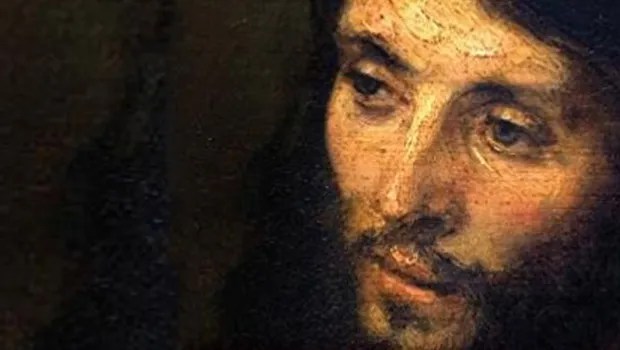
For the past two weeks, we have been hearing parables of our Lord in Matthew 13. Jesus was a storyteller, using parables to connect people’s everyday experiences to the mysteries of heaven.
The word parable comes from the Greek verb paraballein, which means to throw in front of. The parable throws a word or idea before us and provokes a question. Pope Leo XIV spoke of how parables are important for our lives. He said:
Every parable tells a story that is taken from everyday life, yet wants to tell us something more, to refer us to a deeper meaning. The parable raises questions in us; it invites us not to stop at appearances. Before the story that is told or the image that is presented to me, I can ask myself: where am I in this story? What does this image say to my life?
Jesus tells a story to place a word or image before us, and these stories lead to deeper questions, so that faith is more than a surface experience; faith is a deep journey to the hiddenness of the heart.
This Sunday we come to the close of a trilogy of hearings on the Kingdom Parables of Matthew 13. What did we hear these past weeks, and what does it lead us to consider this weekend?
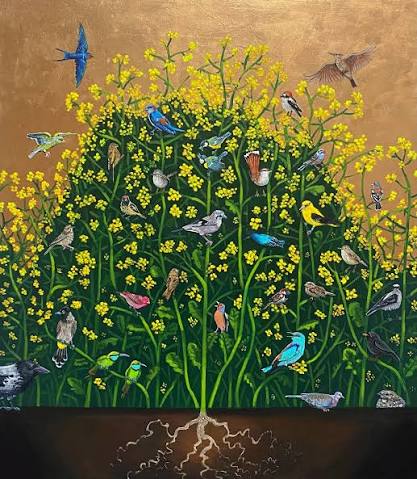
Last week, we heard three parables about the kingdom. The kingdom is like yeast. It spreads in hiddenness and rises everywhere. Similarly, the kingdom is like a mustard seed. It is the smallest of all seeds, and when it grows, it provides shade and a home for the birds. Then we hear how the good seeds grow among the weeds. Our Lord tells us not to uproot the weeds, for they will destroy the roots of the good seeds. In God’s perfect time, the angels will harvest the good seeds and separate the weeds. This is important because it reminds us that only God knows the whole story of our lives as we live one chapter at a time. We must trust the Lord that as we grow among the weeds, he sees us and cares for us. These three parables remind us that Jesus is the kingdom fully revealed. He is near us, so that we can know that in the hiddenness of his presence, we find him in the simple act of love we offer to others.
Holding these ideas in mind, we think back two weeks and consider: Where does your faith fall? As seeds scatter among rocks, thorns, or rich soil, where does your faith land?
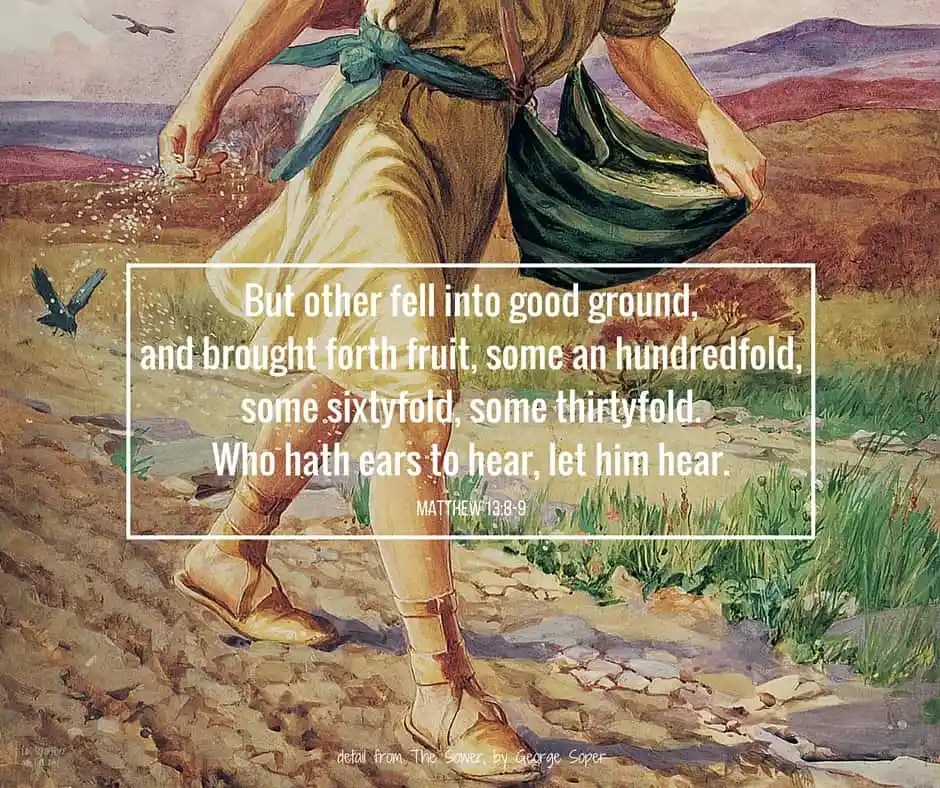
If faith falls on rocks, we receive the seeds of faith, but the joy of those seeds lasts only a while and then dies. There is no place where roots can grow. If the seeds of faith fall among thorns, they will not grow due to “worldly anxiety and the lure of riches.” We fall on hard times, are attracted to fame and riches, and forget our need for God. We become so allured by worldly things that we think we can manage our lives, dismissing the presence of a loving and compassionate God. Again, among the thorns, there is no place where roots can grow.
Faith has to fall on rich soil, where one “hears the word and understands it.” Our lives are fully receptive to God and to receiving the faith he desires to give us. Rich soil has the nutrients needed for life. Is our life surrounded, nurtured, and available to what makes life true, beautiful, and good? Take time to choose to get rid of the distractions that prevent us from growing in God, so that we can walk humbly with God in this life and love him in the next.
Not only is this parable a matter of where the seeds fall in your life, but it is also a matter of the seed taking root. We need rich soil so the roots grow strong. Roots must go deep into the earth of our lives. This takes silence, patience, growth, and participation with creation. So too with us, we need silence in our lives, we need patience, and we need the grace to see how God works in secret ways to make us strong.
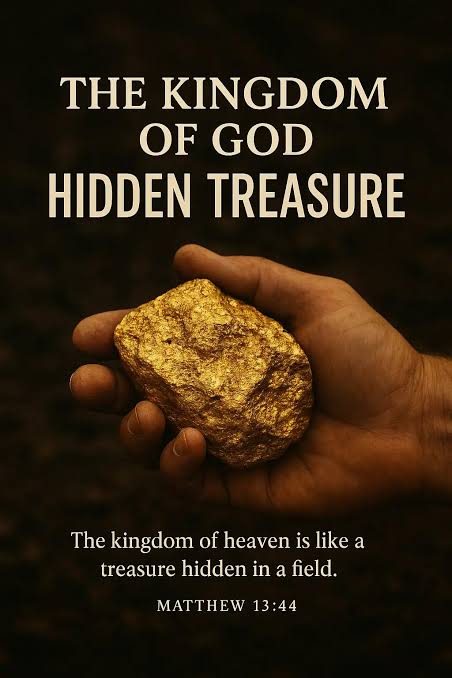
This Sunday, Jesus teaches us that the Kingdom treasure is buried in a field and in fine pearls. When we find the kingdom, we recognize that it is worth selling everything to possess the kingdom of God. Jesus also tells us that his kingdom is like a net thrown out into the sea, capturing the good and bad fish. On the Last Day, the angels will separate the good and bad fish. On that day, the angels will reveal the intention of every human heart, and we will be surprised. Not everyone will make it into the kingdom of heaven. We only need the surprising example of the Good Thief and Judas Iscariot to be reminded of who truly belongs in God’s kingdom.
A Conclusion
Remember, Jesus revealed the Kingdom in parables because he wanted us to dig deeper. Do more than hear or see. He invites us to enter the depths of the human heart, sit with this parable, and discover Jesus in our hearts. He is the kingdom that we pray regularly in the prayer he taught us: Thy Kingdom come. Come, Lord Jesus. Let this be our final takeaway: receive the word, let it take root, let it stir our hearts to sell all we have to possess this kingdom, and live as people of the Kingdom.


 Enlarge my heart
You are welcome to leave a reply.