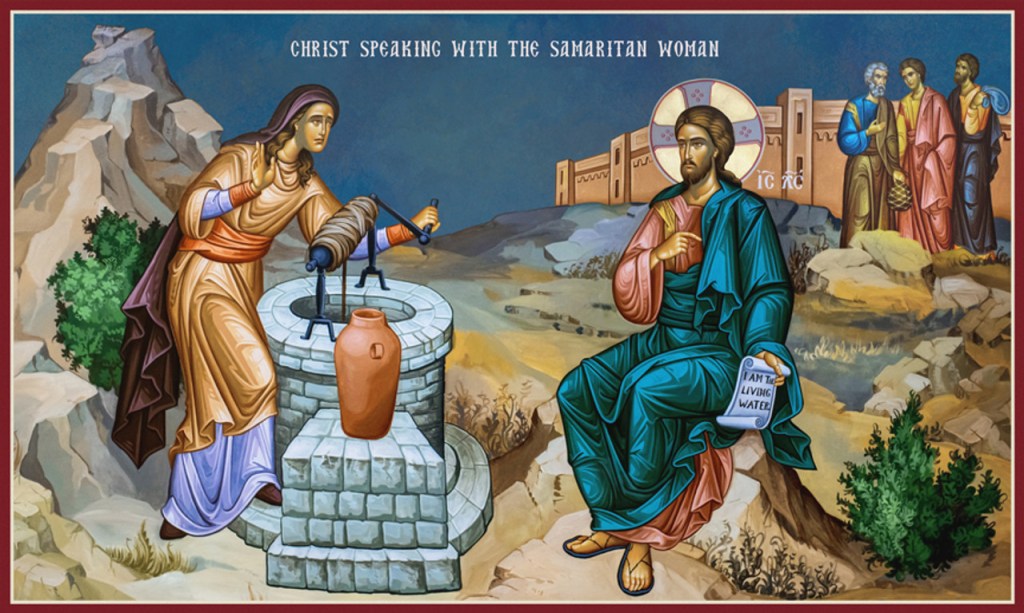
At this crucial point in Lent, we are invited to stop searching for fulfillment in the wrong places and drink from the true, living water.
Beginning today and through the remaining weeks of Lent, those preparing for Easter Sacraments celebrate the Scrutinies. These are moments of restoration to “reveal what is weak, sick, and sinful in the hearts of the elect so that it can be healed” (OCIA 141). These are moments of light to reveal “what is honorable, strong, and holy, so that it can be strengthened” (OCIA 141).
God desires to heal us. God desires to be our light. The Scrutinies help us see Christ as our liberator and reveal the sins that prevent us from belonging to Him entirely. This light does not come from the Church’s set of rhetorical questions to those preparing for baptism. On the contrary, it is Jesus’ stories that move our hearts.
The Word of God is the chief scrutinizer. There are three stories in the remaining weeks of Lent that pierce the heart of the elect and invite the elect to examine their lives and open their hearts to the mercy of a loving God.
The readings in the next few weeks focus on thirst, blindness, and life. Today, we deal with thirst.
During the long journey in the desert, the people of God grumbled and thirsted. God instructed Moses to strike the rock in Horeb. From that rock, water flowed for people to drink. The thirst of the grumbling people was quenched from the rock.
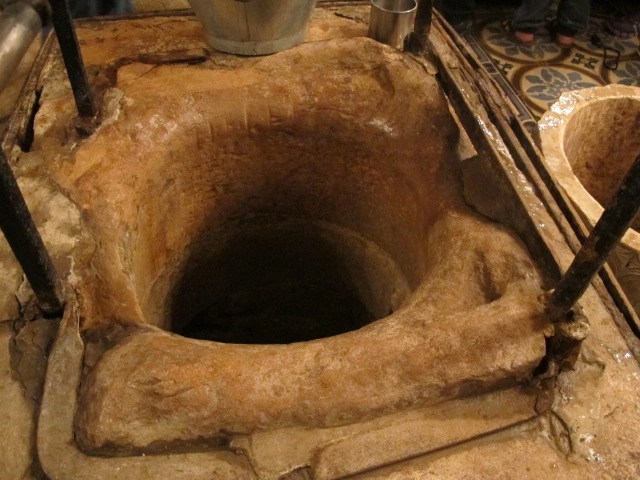
The Gospel places us at Jacob’s Well in the West Bank. It is located forty-one miles north of ancient Jerusalem. It is known to be one hundred fifty-one feet deep! Churches have been built over the well throughout the past 4,000 years. This commemorates the place where Jacob pitched his tent. He also bought the land for “one hundred pieces of money” (Genesis 33:18).
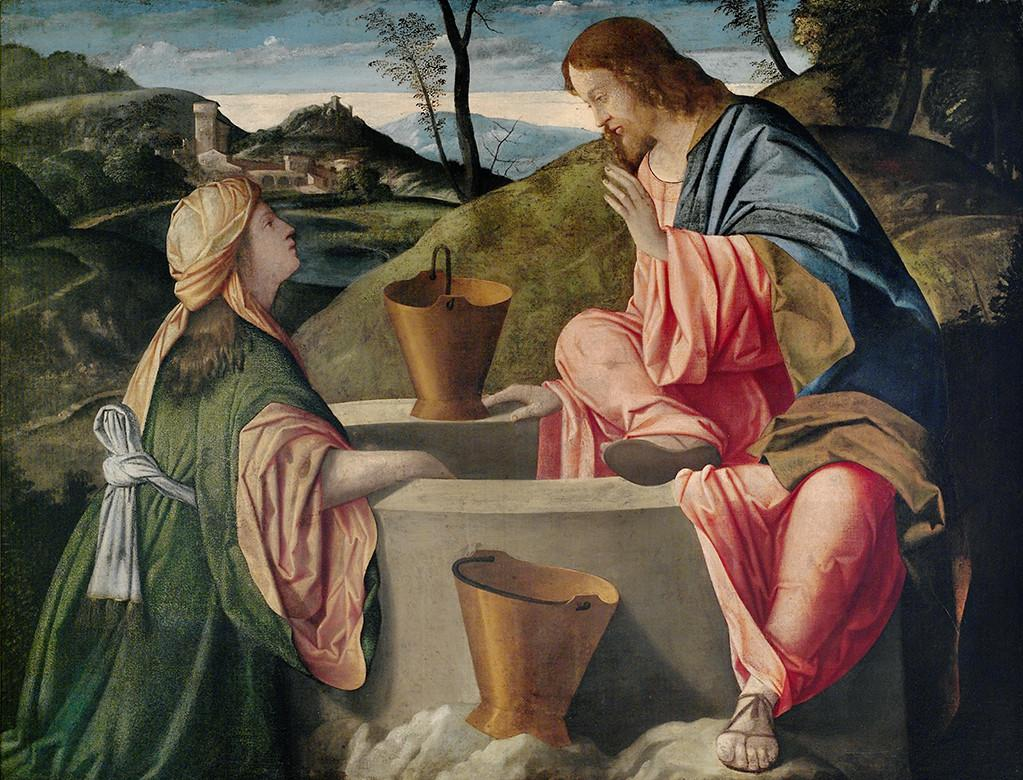
Today, the Samaritan woman encounters Jesus. She has spent her life making the journey to the well. She lowered her jar into its depths. She pulled out water and placed the jar on her head. Then, she made the long journey home. This was the normal routine of her life until this moment in today’s Gospel, where she met the Master. She enters these stages that lead to her confession. Initially, she addressed Jesus as sir, then prophet, and finally Messiah.
Jesus masterfully and patiently pierced her heart for love of the Master. He gently drew her thirst to be loved, even after five husbands. He desired to give her living water so that she would not thirst again. Jesus knew the depths of her heart, the longing within her to be loved. The same is true for us.
In this season of Lent, recognize that the well of our heart is deep like that in Jacob’s land. The shepherd must lower the bucket. Then, raise the water from the well. This allows the sheep to drink. Sheep can’t drink from the well themselves. They need the shepherd to pour out the water for them.
It is Jesus who does the work within us to satisfy our deepest thirst. From his side, gushes the living water. He is the rock on which we must drink. He is the living fountain from which we will never thirst again. When Jesus obediently accomplishes the work of the Father, blood and water will gush from his side. We will drink, and every longing will be satisfied.

Here is the question I believe we must ask ourselves: “If Jesus offered you living water that completely satisfied your deepest cravings, what shallow, exhausting thing would you finally be willing to leave behind?”
Saint Paul reminds us that while we were still helpless, Christ died for us. So as we long to quench the thirst deep in our lives, look to Jesus. If you hear his voice, do not harden your hearts. Allow him to pierce it with his gentle words of love.
 Enlarge my heart
You are welcome to leave a reply.