Visiting the Holy Land just before the world went into pandemic lockdown remains one of the most moving milestones of my life. Walking where Jesus walked was like reading a Fifth Gospel, not written in ink, but in personal memory, divine encounter, and ancient stones.
Now, when I read today’s scripture, it’s no longer just words on a page. I can still feel the gentle breeze of that day on Mount Tabor, and the quiet gravity of that moment with Jesus on top of the world.
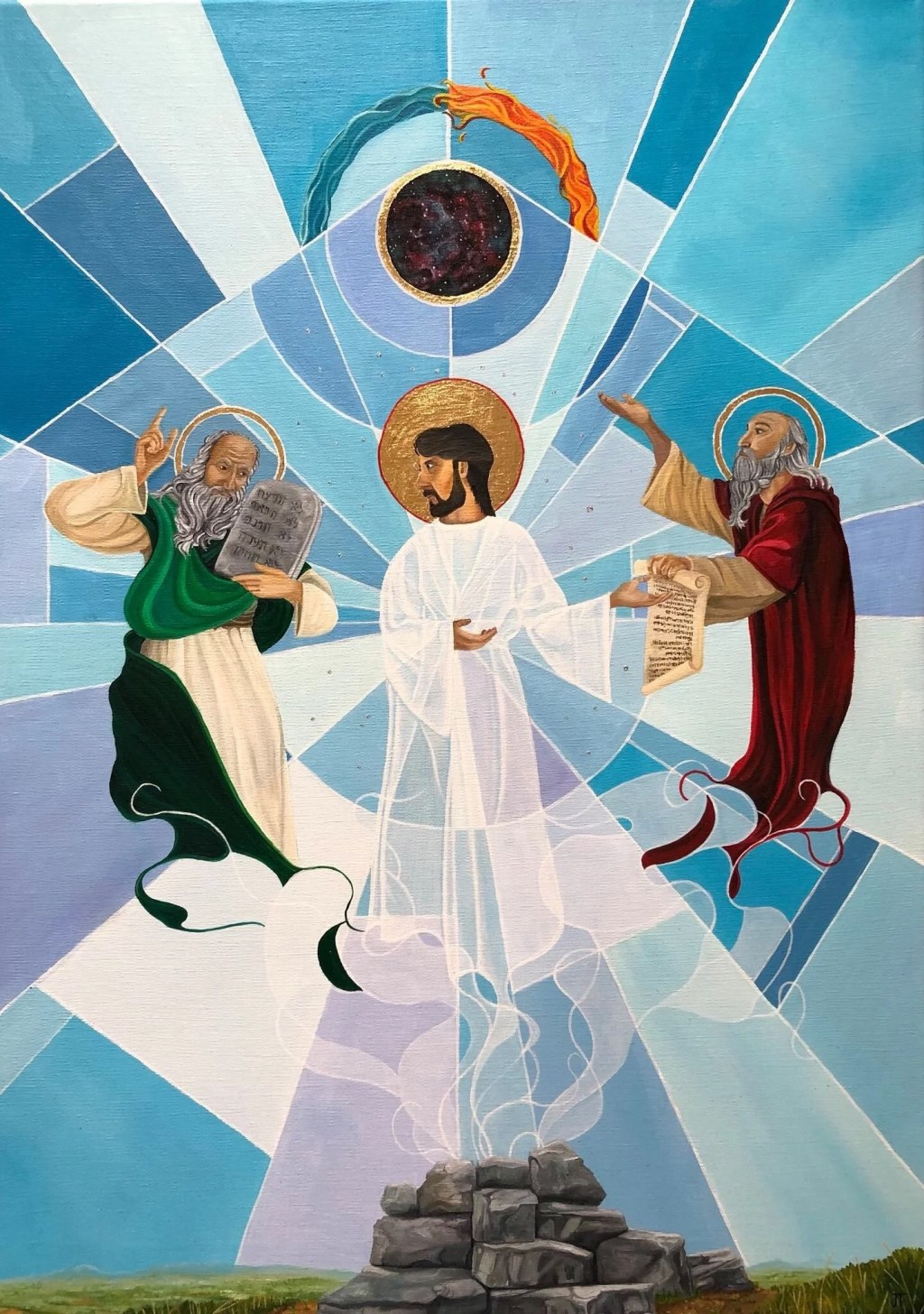
The synoptic accounts all mention the Transfiguration (Matthew 17:1-9, Mark 9:2-10, and Luke 9:28–36). While the liturgy focuses on Matthew, I will focus on Luke. Through the Transfiguration, I learned the value of divine presence and true ascent.
Divine Presence
In Luke’s account of the Transfiguration (9:28-36), the text tells us,
a cloud came and cast a shadow over them,
and they became frightened when they entered the cloud. Then from the cloud came a voice that said,“This is my chosen Son; listen to him.”
The cloud is a reminder of the Shekinah, the divine presence of God that accompanied Moses and his people through the desert. Today’s Gospel tells us that Peter, James, and John had to enter the cloud to hear the Father’s voice.
When I look at my own spiritual life, I often find myself outside the Shekinah. Prayer is fast and superficial, keeping God at a far distance. God becomes the great wish-maker or bargainer. Yet today’s text is an invitation to enter into the divine presence.
We must walk into the Shekinah through an intentional life of prayer. We are never apart from God’s loving presence. To live an intentional life of prayer is to recognize that God looks at us and, from deep within, calls us his beloved.
True Ascent
Jesus took Peter, James, and John up the mountain and witnessed his glory as the Son of Man. Moved by the presence of Jesus with Moses and Elijah, Peter wanted to pitch his tent. Peter wanted to give permanence to our Lord’s glorification as he said, “Master, it is good we are here!”
Yet, he learned that this ascent up the mountain was an invitation to ascend inwardly to the heart. He learned that true light must pierce us through the light of our Lord’s Cross.
Pope Benedict XVI commented on this inward journey in the mountaintop experience. He said:
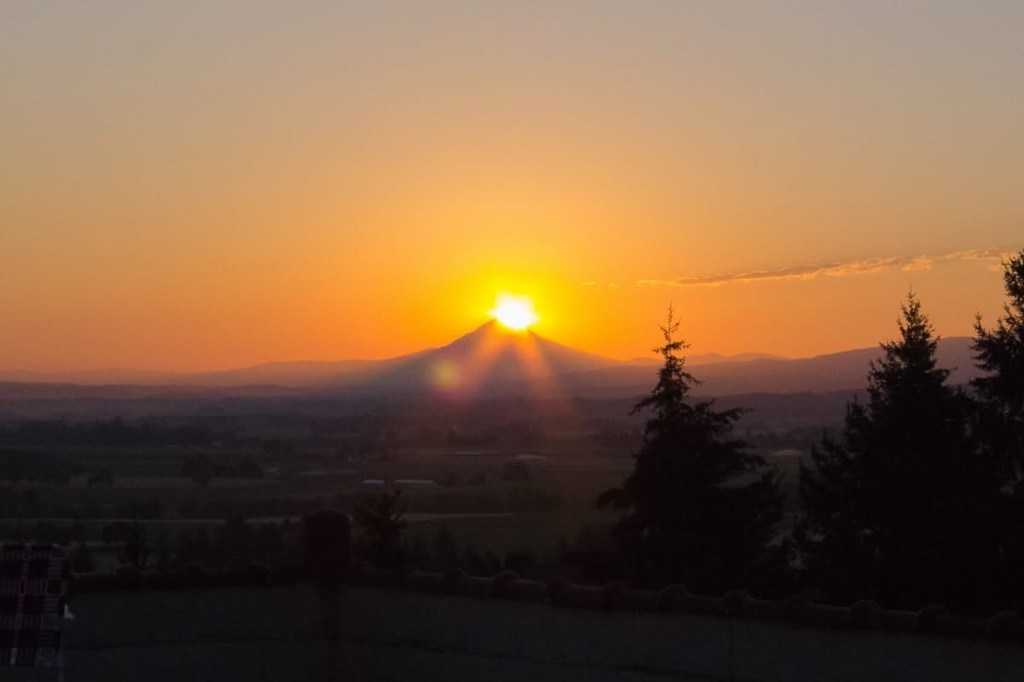
The mountain is the place of ascent – not only outward, but also inward ascent; it is a liberation from the burden of everyday life, a breathing in of the pure air of creation; it offers a view of the broad expanse of creation and its beauty; it gives one an inner peak to stand on and an intuitive sense of the Creator (309).
We need to hear this Gospel in the early stages of Lent. Ready for the disciplines of this season, we get excited about the mountaintop experiences, delight in its steady progress, and desire to be with the Lord in his glory. In Lent, we must also be ready to descend this spiritual mountain. We are not meant to pitch our permanent tent on its peak. Pope Benedict XV said,
It is only as they go down from the mountain that Peter has to learn once again that the messianic age is first and foremost the age of the Cross and that the Transfiguration – the experience of becoming light from and with the Lord – requires us to be burned by the light of the Passion and so transformed (315).
Our faith is not meant for the mountaintop alone; it must transform the plain of everyday life. We are called to bear Christ’s light in our daily interactions. When we descend the mountain, does the burning light of Christ infuse us to care for others and serve the poor? This is our work as Christians. Let us turn to our Lord, our light and salvation, and confidently declare, “Master, it is good we are here!”
 Enlarge my heart
You are welcome to leave a reply.