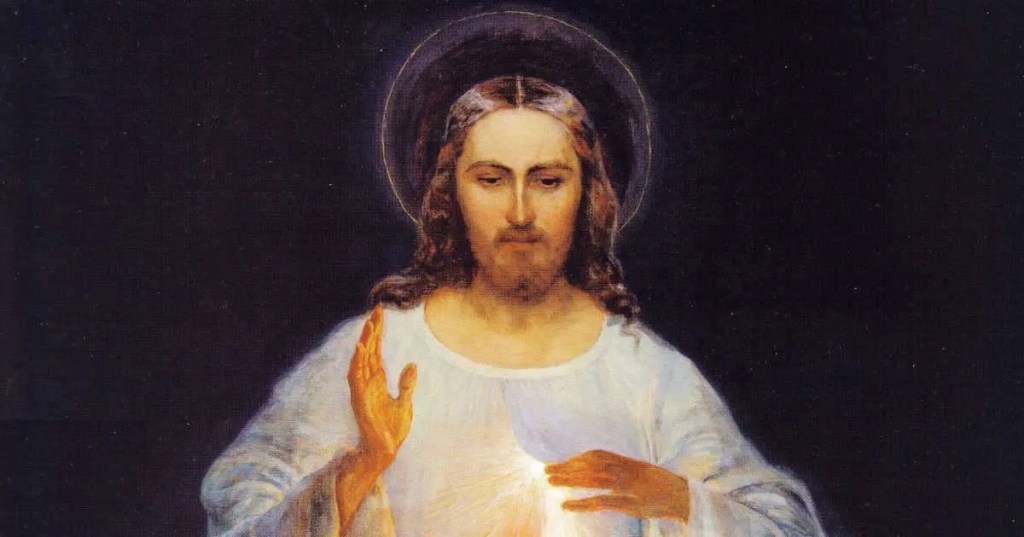
The focus of this day is touching the wounded glorious side of Christ. Thomas is in utter disbelief that his Lord has been raised from the dead. My estimation is that he doubted because he hid in the shadow of Good Friday and was afraid to step into the radiating light of Resurrection.
Thomas who was loyal to Jesus. When Jesus wanted to see Lazarus in Bethany, Thomas knew death threats awaited the Master, yet he spoke out and said to the others, “Let us also go, that we may die with him” (John 11:16).
Thomas experienced first hand the immense servant love of his Master as Jesus washed his feet. In this intimate scene, Thomas inquisitively asked the way forward. In his answer, Jesus does not give a physical destination or road map. Rather, he says that he is the way, truth, and life. Only in intimate relationship with the Master can we truly know the authentic road of life.
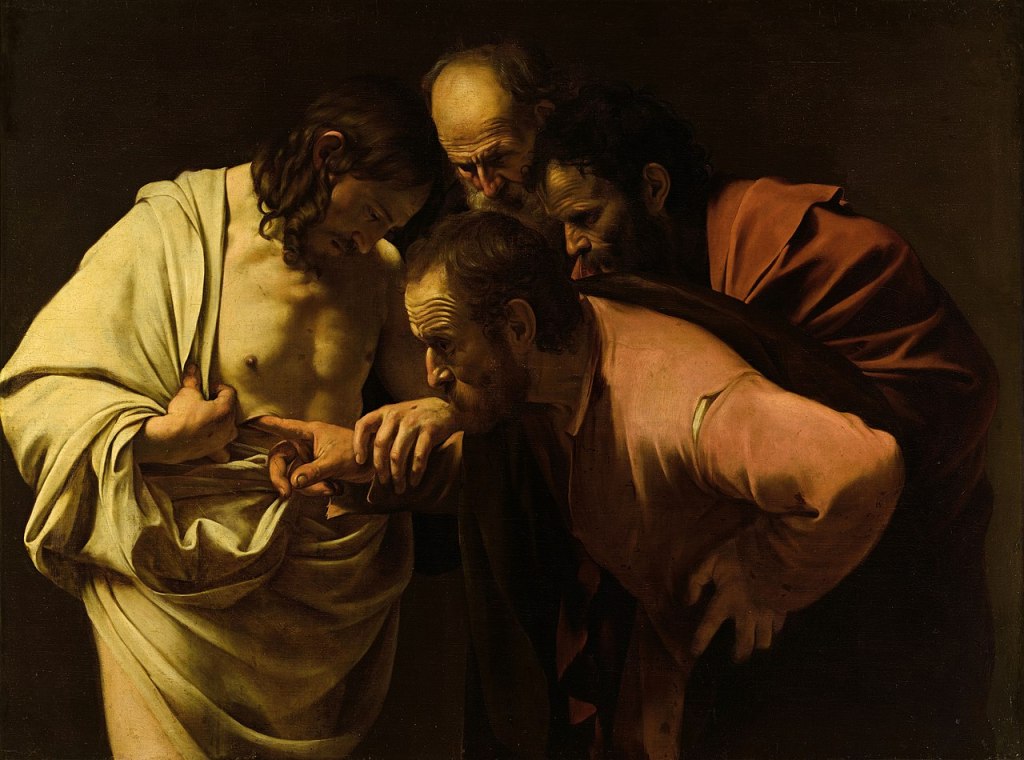
On Easter morning, Thomas had to cling to the Master’s saying as he stood before his Risen Christ. The Lord invited him to touch his wounded side and believe. The mercy of God was made manifest to Thomas because Jesus is mercy itself. He does not dismiss Thomas’ doubt, but rather gently leads him to an act of faith.
The Idea of Mercy in the Old Testament
The mercy of God is the love of God. We see this in its richness throughout the Old Testament. Whenever God’s people turned away from the covenant, prophets called them back to right relationship through the preaching of mercy. Saint Pope John Paul II addressed this idea that mercy and love are the same and that in God it is a spousal love:
It is significant that in their preaching the prophets link mercy, which they often refer to because of the people’s sins, with the incisive image of love on God’s part. The Lord loves Israel with the love of a special choosing, much like the love of a spouse, and for this reason He pardons its sins and even its infidelities and betrayals. When He finds repentance and true conversion, He brings His people back to grace. In the preaching of the prophets, mercy signifies a special power of love, which prevails over the sin and infidelity of the chosen people (Dives in Misericordia 4).
Even in the misery of God’s people, as they erected the golden calf to worship in the desert, God declared that he is slow to anger and abounds in steadfast love and faithfulness. Whenever God’s people fell in misery, they reminded God of who he is, sought his forgiveness, and praised him for his mercy.
Throughout the Old Testament, mercy is also the rich experience of varied individuals like David and Job. Whether mercy was experienced in the community or as an individual, mercy finds certainty in the Exodus.

God saw his people’s affliction, heard their cry, and led them through the Red Sea into freedom. This is the act of God in which all God’s people find “certainty of the mercy of God, which can be invoked whenever tragedy strikes” (Dives in Misericordia 4).
The merciful love of God is not something of the past. It is as relevant today as it was 2000 years ago. We know the mercy of God through the heart of Jesus. Pope Saint John Paul II said, “The Church seems in a singular way to profess the mercy of God and to venerate it when she directs herself to the heart of Christ.”
This love and mercy has never gone old or irrelevant. We see this truth through Saint Danielle Comoni who said,
this divine heart, which let itself be pierced by an enemy’s lance in order to pour forth through that sacred wound the sacraments by which the Church was formed, has never ceased to love.
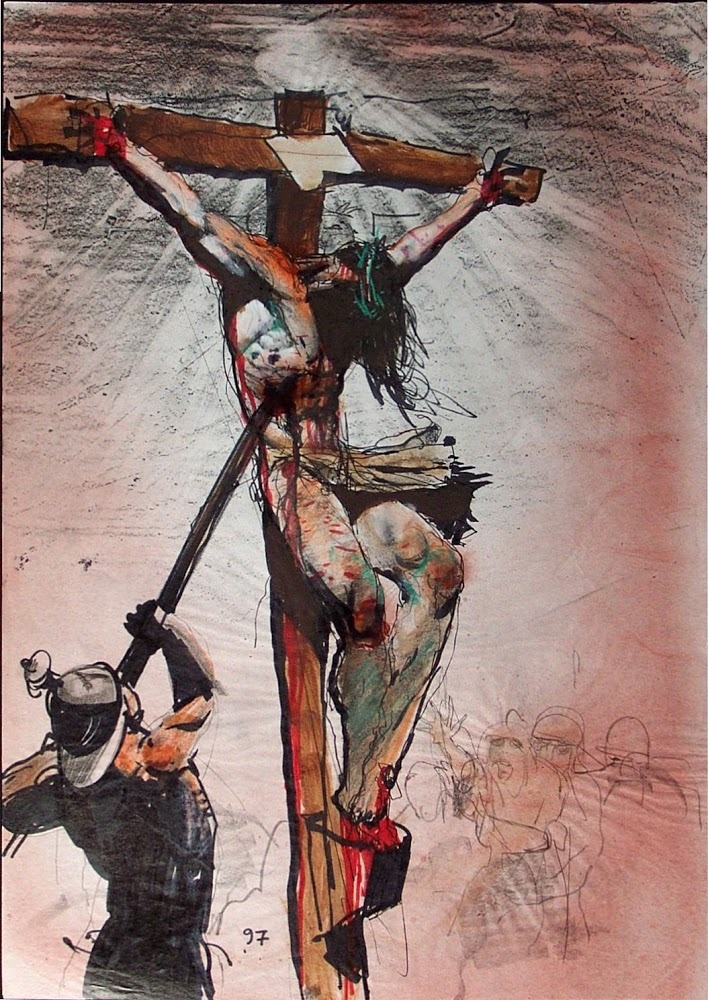
We touch the side of Christ through water and blood, Baptism and Eucharist. This is our point of contact with Christ. Like Thomas, do we dare touch the side of Christ?
For the many times we are like doubting Thomas, we must touch the wounded side of Christ. How? We touch the poor, serve them, help them meet their needs. The Church teaches how mercy is service to others,
“The works of mercy are charitable actions by which we come to the aid of our neighbor in his spiritual and bodily necessities” CCC 247.
This is the secret of Divine Mercy. Mercy is not just an attribute of God. It is a call to action for us to mirror God’s compassion to others. In so doing, we bring people to the Cross of Christ which is the source of love and mercy “for mercy is an indispensable dimension of love; it is as it were love’s second name” (Dives in Misericordia 7).
Pope Francis lived this call to action. It was the hallmark of his discipleship. He lived this example of merciful love. Bishop Jaime Soto of Sacramento said,
Pope Francis taught us many things about being missionary disciples. His most persuasive lessons were to be found in his example. He saw many of those whom the world had become accustomed not see. He listened to voices that others have chosen to ignore. More than seeing and hearing the joys and hopes, the griefs and sorrows of people, Pope Francis recognized the presence of the Lord Jesus among the poor and forgotten. He heard the voice of the Good Shepherd calling him (Homily from the Memorial Mass of Pope Francis on April 26, 2025).
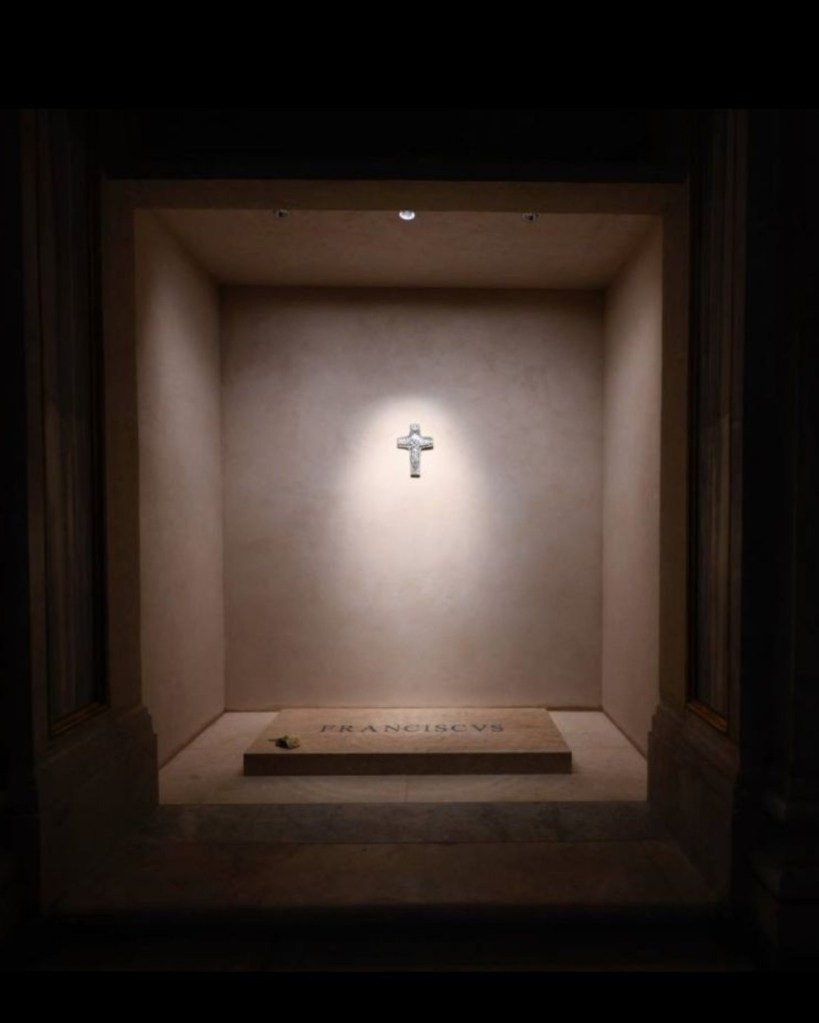
Adding to the sentiments of Pope Francis, Cardinal Pietro Parolin addressed the Church today in Rome:
“Our affection for him [Pope Francis], which is being manifested in this time must not remain a mere emotion of the moment. We must welcome his legacy and make it part of our lives, opening ourselves to God’s mercy and also being merciful to one another.”
We are called to be agents of mercy. From the heart of Jesus flows mercy. His heart beats for us. From his heart gushed blood and water. From his heart we find our source and charge to serve him in the poor. This is the way and the one who shows us the way to Jesus is the one who was there at the Cross: Mary.
A thought on Mary, Mother of Mercy
In her Magnificat, Mary sings “He has mercy on those who fear him in every generation … He has come to the help of his servant Israel for he has remembered his promise of mercy, the promise he made to our fathers, to Abraham and his children for ever” (Luke 1:50, 54).
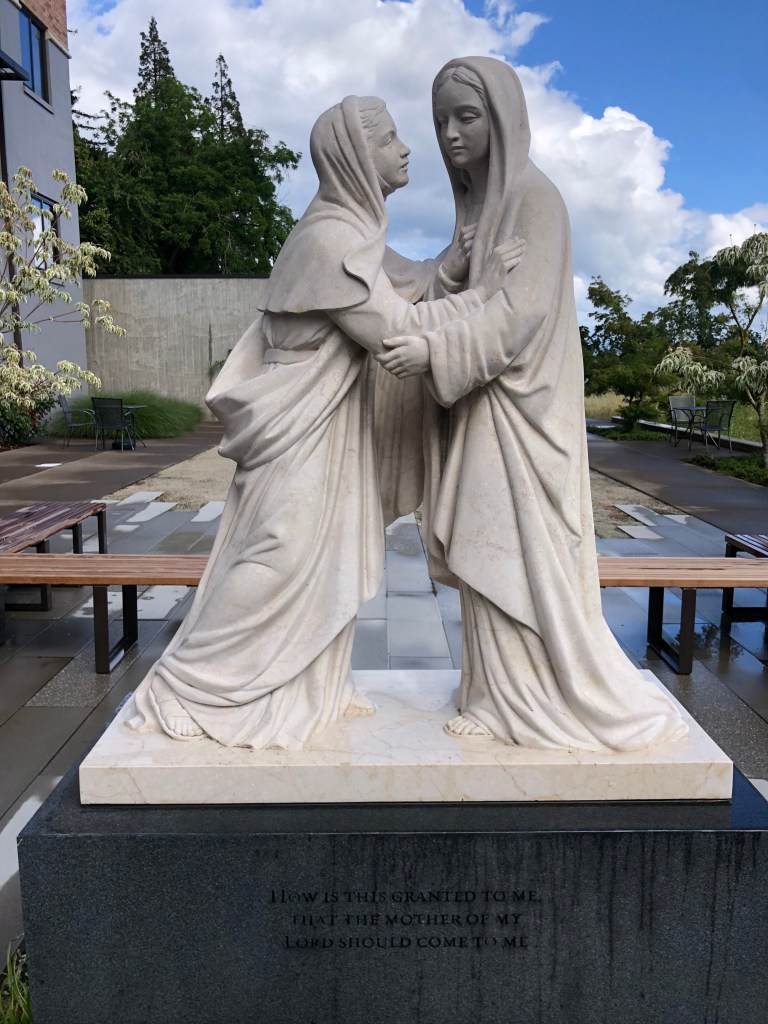
No one cooperated more faithfully to the will of God as Mary. At the cross, she stood! She did not waver or fall into despair. She stood in complete trust to the Father, as she accepted, felt, processed the immense pain of beholding her Crucified Son who brought the suffering, marginalized, and rejected utterly close to the love of God. Mary’s fiat was on full display as she pondered this mystery in her heart. She becomes our Mother of Mercy:
Mary, then, is the one who has the deepest knowledge of the mystery of God’s mercy. She knows its price, she knows how great it is. In this sense, we call her the Mother of mercy: our Lady of mercy, or Mother of divine mercy; in each one of these titles there is a deep theological meaning, for they express the special preparation of her soul, of her whole personality, so that she was able to perceive, through the complex events, first of Israel, then of every individual and of the whole of humanity, that mercy of which “from generation to generation” people become sharers according to the eternal design of the most Holy Trinity (Dives in Misericordia 9).
Through Mary’s consent and cooperation with the Holy Spirit, Mary gives flesh and blood to mercy. Every generation will be made new in the waters of rebirth, sealed by the oils the Holy Spirit, and eat and drink at the table of merciful love – the Eucharist.
As we come to Eucharist, we will hear the Communion Antiphon: “Bring your hand and feel the place of the nails, and do not be unbelieving but believing, alleluia.”
With such merciful words of love, how can we not utter an act of faith rooted from the victory of the cross. With Thomas we utter, “My Lord and my God.”
Happy Octave Day of Easter! Alleluia!
 Enlarge my heart
You are welcome to leave a reply.